
Johnson Creek Watershed Council
A healthy watershed is within reach.
Promoting restoration and stewardship of a healthy watershed through sound science and community engagement.
Our Work
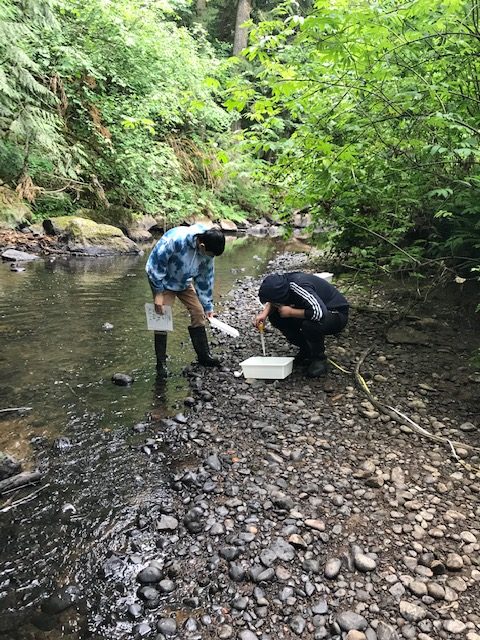
Discover.
Science is at the heart of our efforts to restore ecological function and connect the upland, riparian, and in-stream habitats in the watershed. We also lead collaborative projects, write peer-reviewed publications, and offer opportunities to link research with on-the-ground restoration. Discover your Johnson Creek Watershed here.
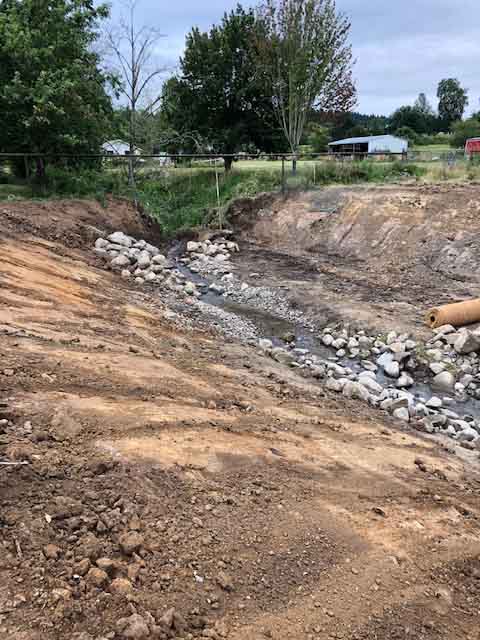
Restore.
We do restoration throughout the watershed, leading projects, organizing volunteer work parties, assisting creekside landowners with stewardship, overseeing construction on culverts and dams, and partnering with businesses to improve stormwater management. Learn more about our restoration work here.
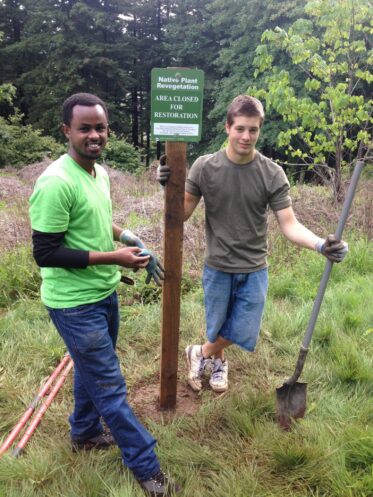
Connect.
As a community organization, we accomplish our restoration through relationships with the diverse communities living in and around the watershed. We offer volunteer restoration and educational activities to serve all members of our community. Connect with the Johson Creek Watershed community here.
Upcoming Events:
Habitat Enhancement with Crystal Springs Partnership
April 28 @ 9:00 am – 12:00 pmHabitat Enhancement at Tideman Johnson
May 4 @ 9:30 am – 12:30 pmHabitat Enhancement at Leach Botanical Garden
May 8 @ 9:00 am – 12:00 pm
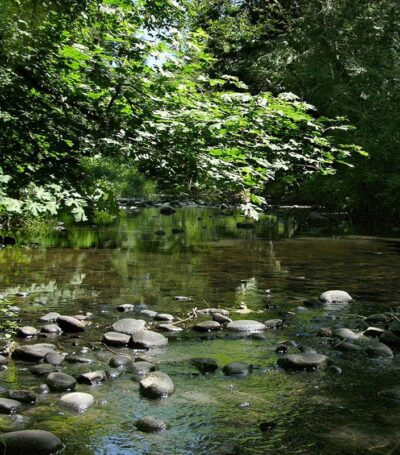
Contact Us!
4033 SE Woodstock Blvd
Keiter Hall
Portland, OR 97202
Phone: 503-652-7477
Our office is on the second floor of All-Saints Episcopal Church. Please use the separate entrance at the south end of the building near Woodstock Boulevard and SE 41st Street. Ring the bell.